How I Replaced Revue With a Custom-Built Newsletter Service Using Nuxt 3, Supabase, Serverless, and Amazon SES
Twitter will shut down Revue on January 18, 2023, which I previously used as a newsletter provider for Weekly Vue News.

Kategorie · 51 Artikel
Artikel in der Kategorie Frontend.
Twitter will shut down Revue on January 18, 2023, which I previously used as a newsletter provider for Weekly Vue News.

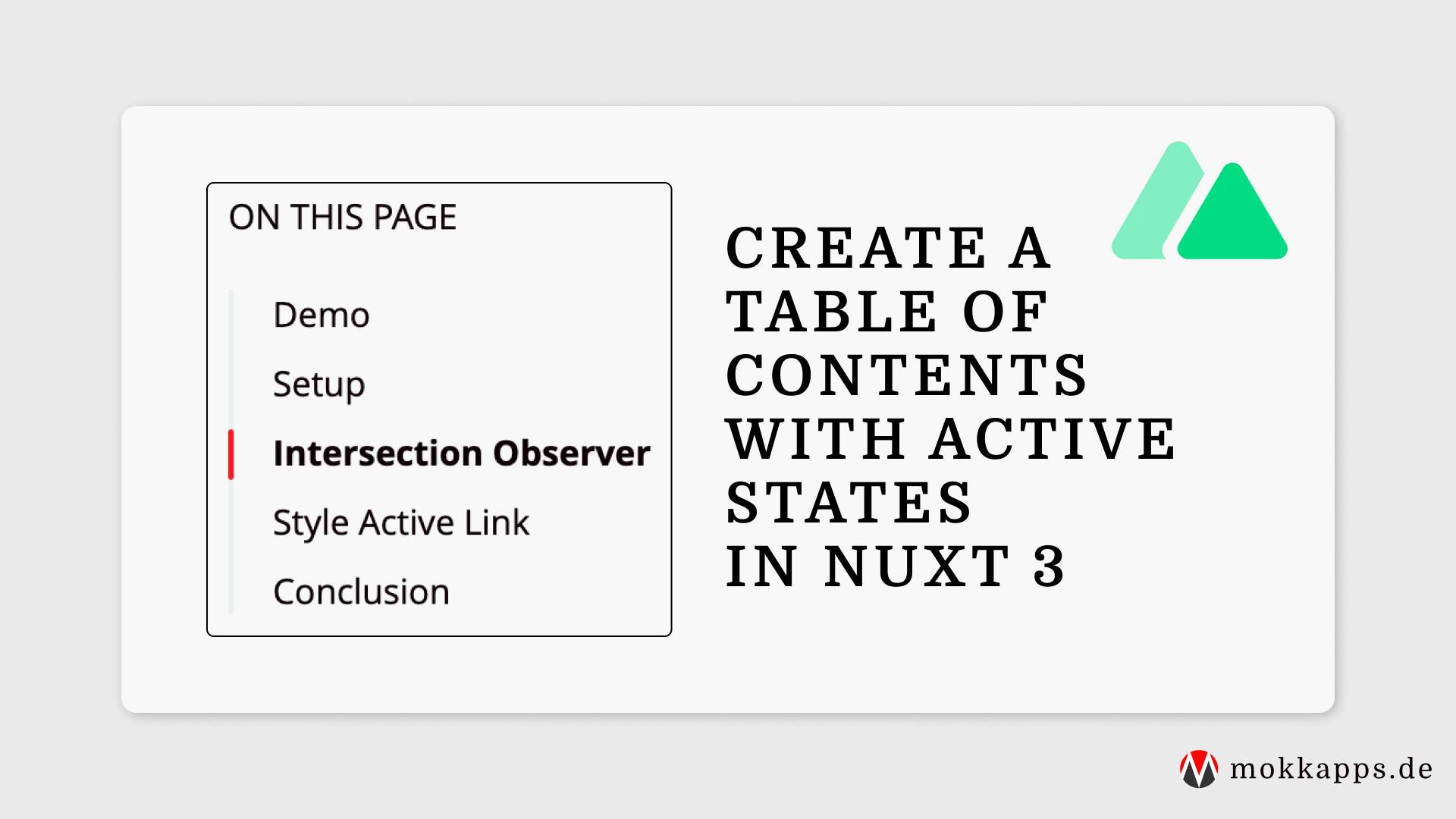
I'm a big fan of a table of contents (ToC) on the side of a blog post page, especially if it is a long article. It helps me gauge the article's length and allows me to navigate between the sections quickly.

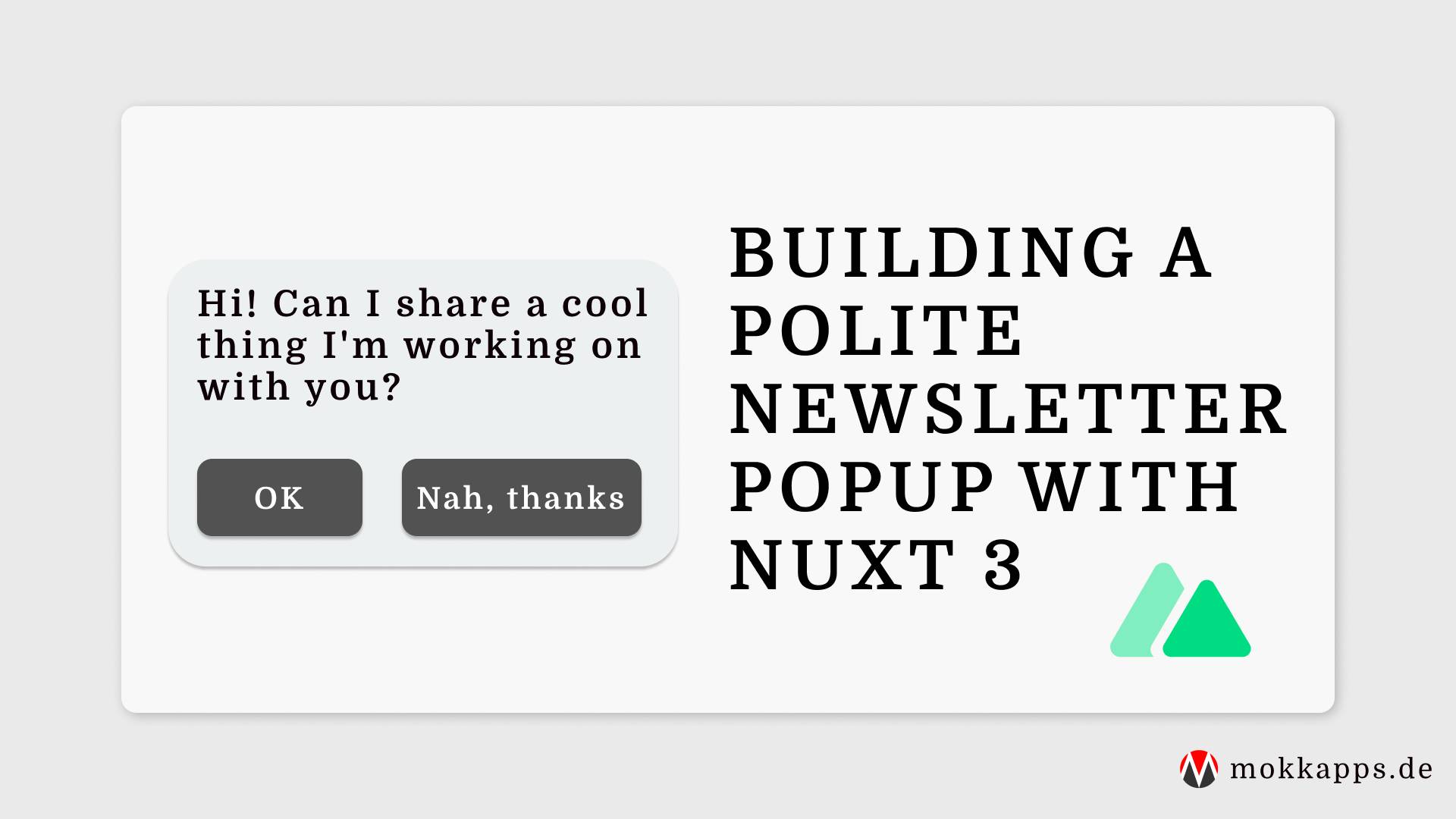
This year I launched a free eBook with 27 helpful tips for Vue developers for subscribers of my weekly Vue newsletter. For marketing purposes, I showed a popup on the landing page of my portfolio page each time a user visited my site. I was aware that users probably could get annoyed by that popup. Thus I added a "Don't show again" button to that popup. I thought I solved the problem!

My portfolio website is built with Nuxt 3 and Nuxt Content v2. An RSS feed with my latest five blog posts is available here. In this article, you'll learn how to add an RSS feed to your Nuxt website.

I am currently rewriting my portfolio website with Nuxt 3 which is still in beta. In this article, I want to show you how I implemented a dark mode switch in Nuxt 3 using Tailwind CSS that I will use in my new portfolio website.

Recently, I planned to rewrite my "Scrum Daily Standup Picker" Electron application in Vue 3. I wrote the initial release in Angular, but I wanted to refactor the code base and rewrite it in Vue 3.

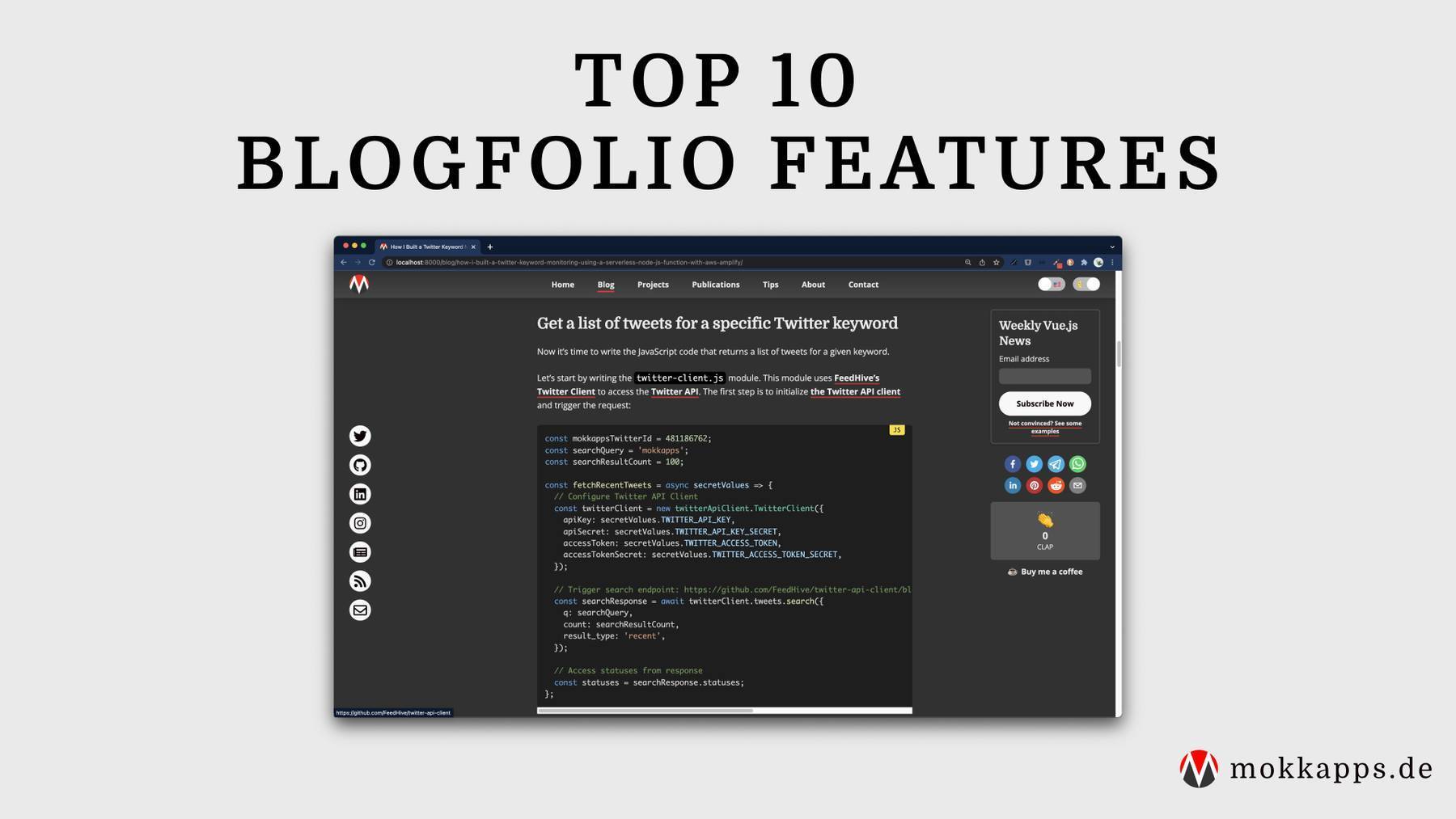
Inspired by Braydon Coyer's new blogfolio, I've added some excellent new features to my portfolio website.

Storybook is my tool of choice for UI component documentation. Vue.js is very well supported in the Storybook ecosystem and has first-class integrations with Vuetify and NuxtJS. It also has official support for Vue 3, the latest major installment of Vue.js.

Vue 3 introduced the Composition API to provide a better way to collocate code related to the same logical concern. In this article, I want to tell you why I love this new way of writing Vue components.

This article summarizes a list of Vue.js interview questions that I would ask candidates and that I get often asked in interviews.

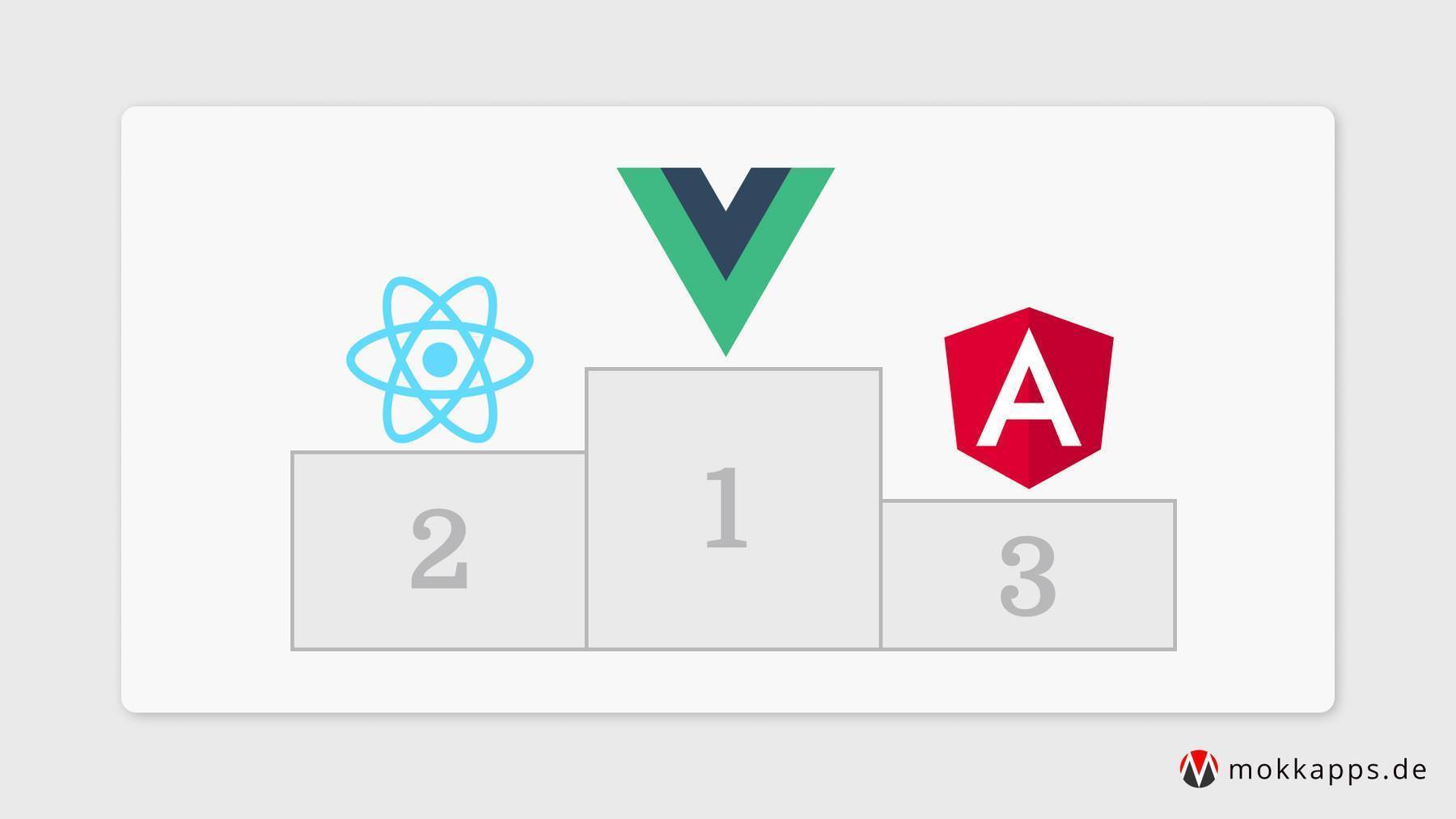
I have professional experience with the three big players in web development: Angular, Vue.js and React. I've reached the point in my career where I need to choose one of the three frameworks/libraries that I will use for my future freelancing career.

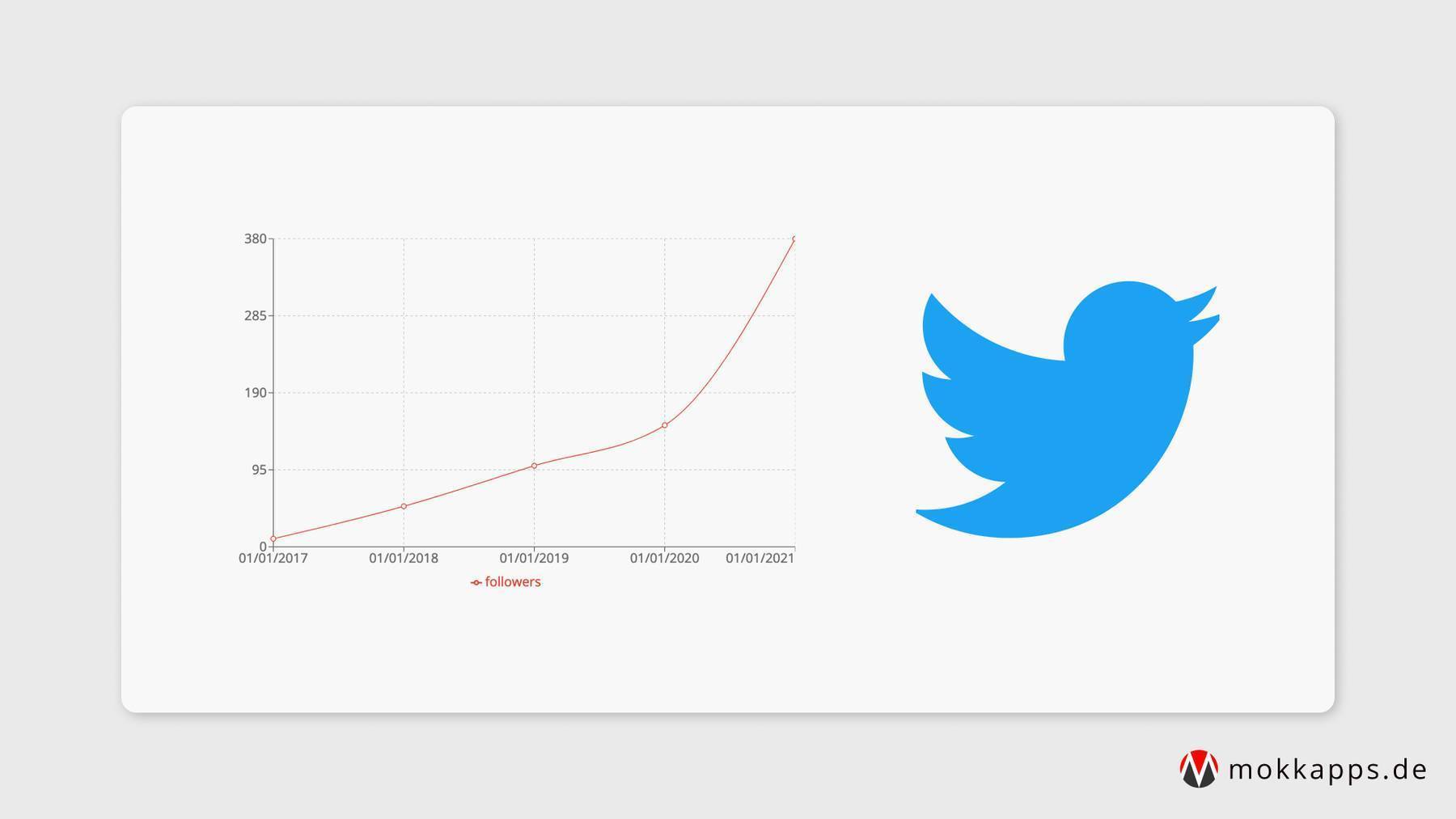
In March 2021 I started to use FeedHive to help me grow an audience on Twitter. Recently, I wanted to check how my Twitter followers have grown over time. Unfortunately, Twitter Analytics only provides data from the last 30 days. So I decided to develop a simple serverless API to fetch and store my follower count each month.

This article summarizes a list of React interview questions that I would ask candidates and that I get often asked in interviews.

Recently I recognized that some SaaS (Software as a Service) products use AWS Amplify which helps them to build serverless full-stack applications. I think serverless computing will be the future of apps and software. Therefore, I wanted to gather some hands-on experience, and I built a serverless application using AWS Amplify that uses React as frontend framework and GraphQL as backend API.

I recently joined a project where the team used two separate Git repositories for their web components based on Stencil and Storybook. But the idea of Storybook is that the so-called "stories" live next to the components source code. Therefore, it made no sense to me to have those two tools in different repositories, and I combined them both in one repository.

React is known for its performance by using the Virtual DOM (VDOM). It only triggers an update for the parts of the real DOM that have changed. In my opinion, it is important to know when React triggers a re-rendering of a component to be able to debug performance issues and develop fast and efficient components.

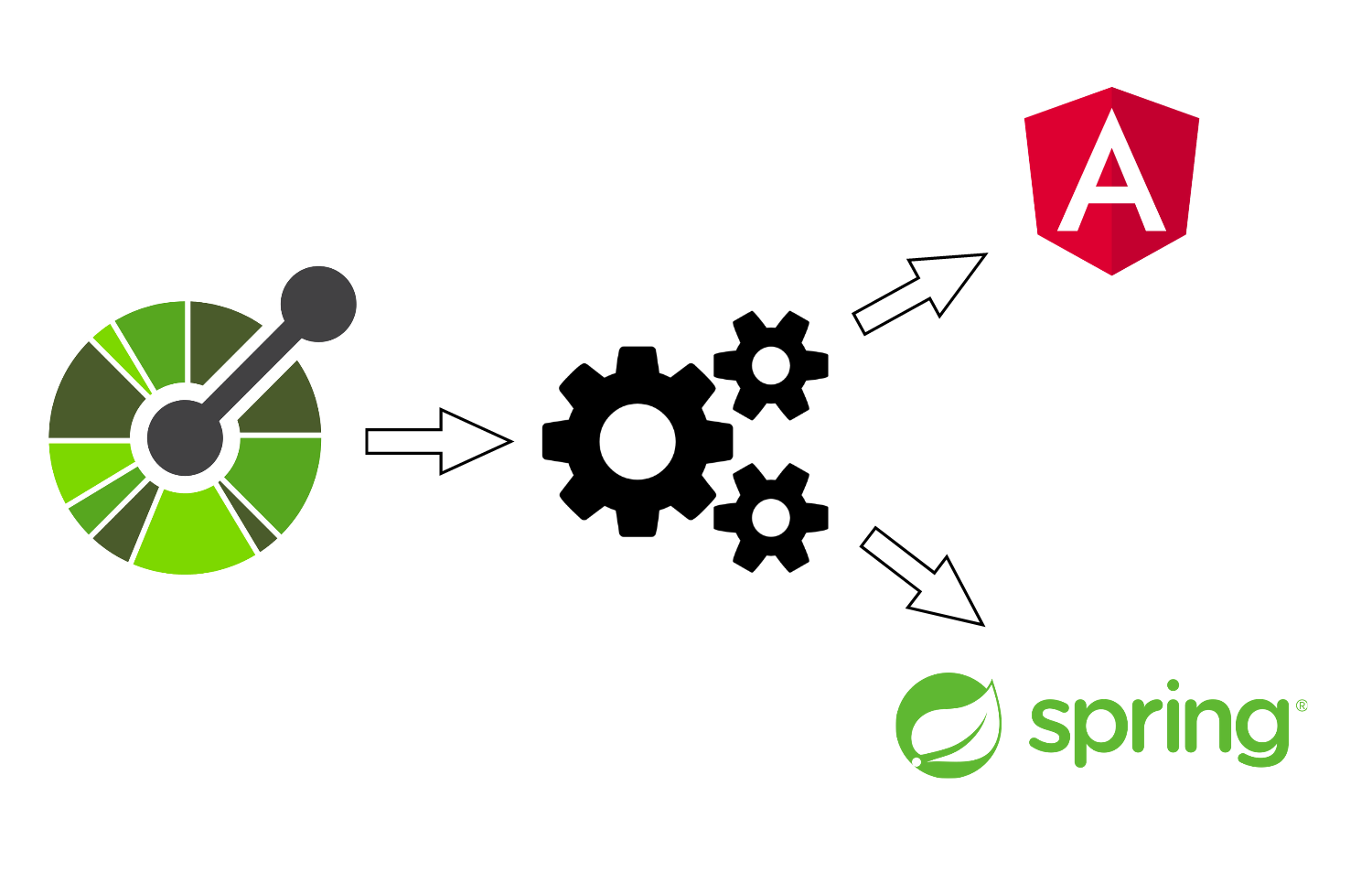
If you are developing the backend and frontend part of an application you know that it can be tricky to keep the data models between the backend & frontend code in sync. Luckily, we can use generators that generate server stubs, models, configuration and more based on a OpenAPI specification.

In my current, I had the opportunity to develop a new application based on Vue.js in the frontend and Spring Boot in the backend. The backend should send updates to the frontend via a WebSocket connection so that users do not need to refresh the website to see the latest information.

In Angular enterprise applications, it is often a requirement to load a configuration from a server via HTTP request which contains a UI configuration. Based on this configuration data, multiple modules and/or components need to be lazy-loaded and its routes dynamically added to the application.

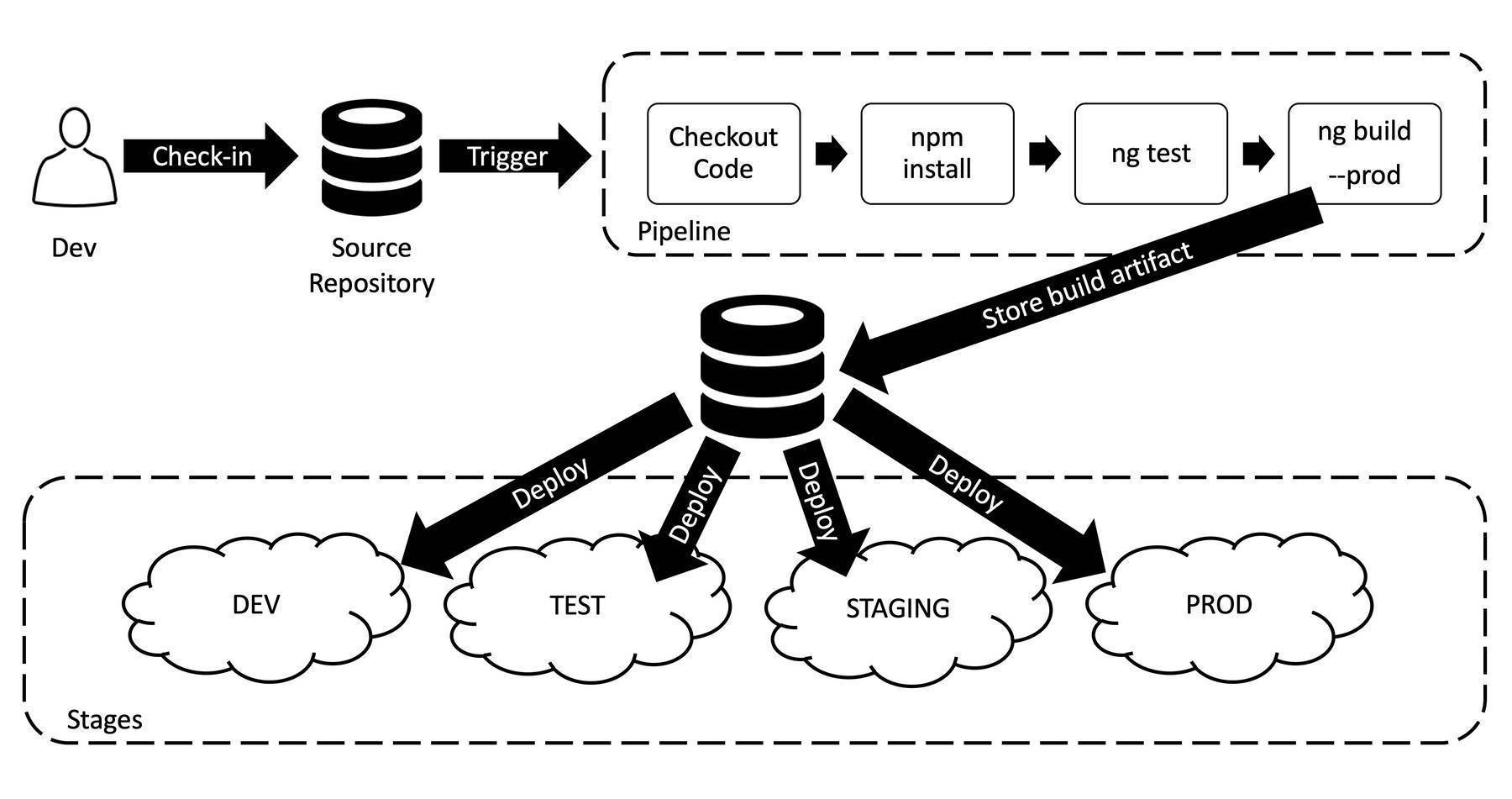
In my last projects, we always had the same requirement: Build the application once and deploy the same build fragment to multiple environments. This leads to some technical challenges, as we need to be able to inject environment-specific information to our application during runtime.